
Nexilaroiva
We've spent years watching investors make the same costly mistakes. Our approach grew from those observations and our determination to change how people learn about money.
Traditional investment education talks about theory. We focus on behavioral patterns because that's where real money gets lost. After tracking thousands of investment decisions, we noticed something interesting — the biggest losses came from emotional reactions, not market crashes.

Our September 2025 program builds skills systematically. Each phase addresses common investor blind spots we've documented over the past six years.
Most people can't read a balance sheet properly. We start here because everything else builds on this foundation. You'll analyze real company reports and spot the red flags most investors miss.
Learn to value companies based on fundamentals, not market excitement. We'll show you why growth stocks aren't always growth investments and how to spot genuine value.
This is where most education programs fail. We teach practical risk controls that actually work in volatile markets. Position sizing, stop-loss strategies, and portfolio balance.
Market crashes reveal who really understands investing. We simulate high-stress scenarios and teach decision-making frameworks that work when emotions run high.
We've guided investors through the 2020 crash, the tech correction of 2022, and the banking sector turbulence of 2023. Each crisis taught us something new about how people really behave when their money is on the line.
Our next comprehensive program begins September 2025. We're limiting enrollment to 40 students because meaningful feedback requires personal attention.


Our team combines academic research with hands-on investment experience. We've made our share of mistakes too — that's what makes us better teachers.
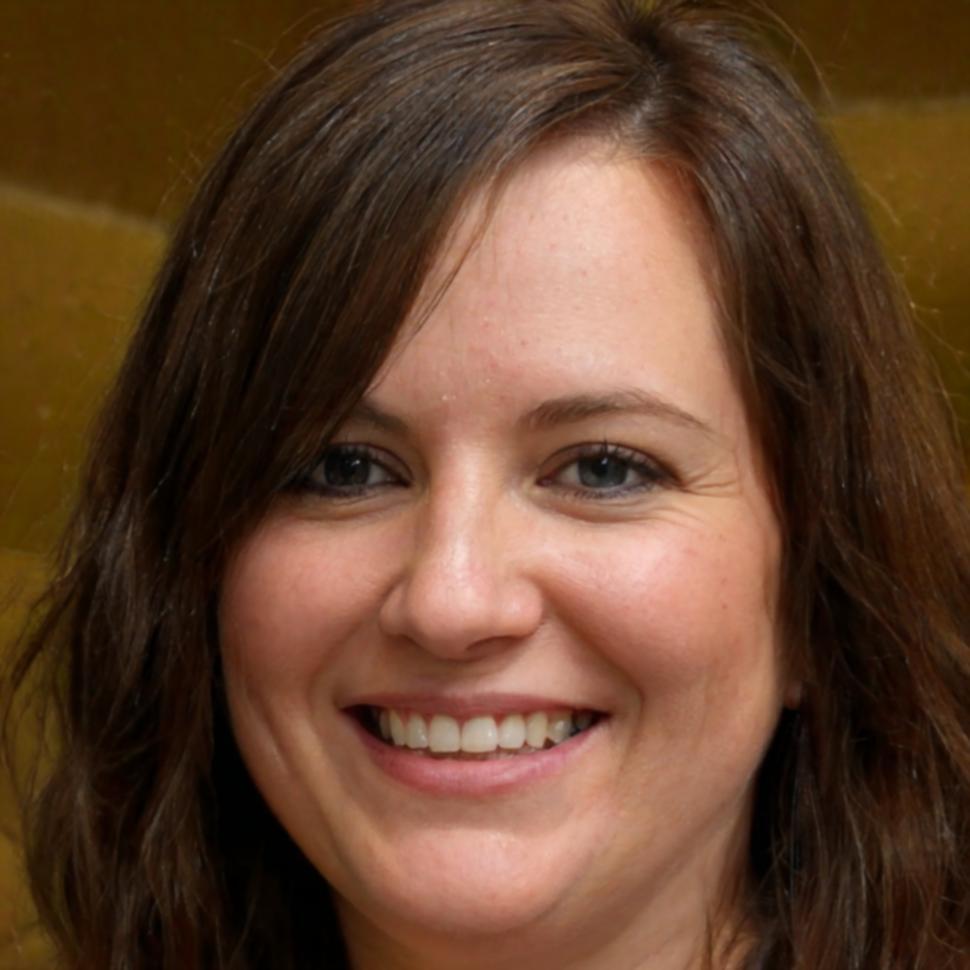
Started as a research analyst at a mid-tier fund, learned the hard way during the 2008 crisis. Since then, she's focused on behavioral patterns in investment decisions and practical risk management. Astrid developed our core curriculum after noticing how often smart people make predictable investment mistakes.